

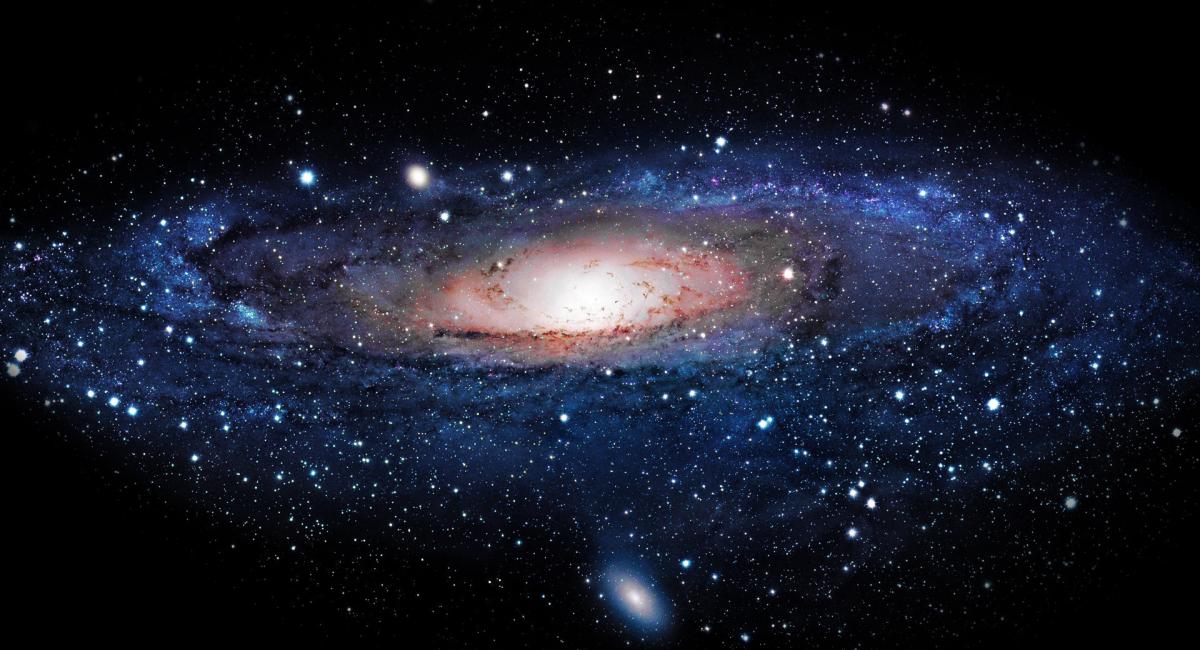
The key factor in the development of astrophysics in the last decades was the possibility to broaden the observable band to the entire electromagnetic spectrum, which was previously confined to visible radiation, and detect all the high energy particles coming from celestial objects. This became possible only when we were able to carry telescopes and detectors out of the absorbing screen of the atmosphere. High energy astrophysics, in X and gamma bands, is therefore a relatively young science, born with the conquer of space, and Italians can be regarded among the fathers of this branch of modern astronomy: Bruno Rossi in the United States and Giuseppe Occhialini, known as “Beppo”, in Europe were actually the first to develop observation techniques and experiment in this field.
The study of the most powerful phenomena in the Universe
‣ All the missions
CALET ‣
CALET is an observatory operating on the International Space Station, specialized in measuring cosmic electrons
IXPE ‣
L’Imaging X-ray Polarimetry Explorer is a mission under development, which is part of the NASA SMEX space programme, whose principal investigator is Dr. Martin Weisskopf from the NASA/Marshall Space Flight Center (MSFC) in Huntsville, Alabama, United States.
INTEGRAL ‣
INTEGRAL is a European mission in partnership with Russia and United States, aimed at observing one of the most energetic radiations in the Universe from space
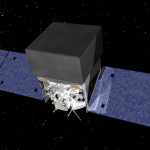
FERMI ‣
FERMI is a large-area space telescope to detect gamma-rays
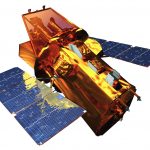
SWIFT ‣
SWIFT is MIDEX-NASA class mission, targeted at high-energy astrophysics and designed in cooperation with Italy and United Kingdom.
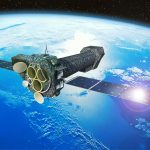
XMM-NEWTON ‣
The X-ray Multi-Mirror mission, renamed XMM-Newton in honour of the British physicist, is the most important European contribution to astronomy in the X-ray band.
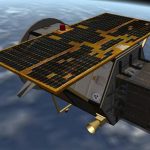
AGILE ‣
AGILE (Light Imager for Gamma-ray Astrophysics) is an Italian mission targeted at studying the high-energy Universe
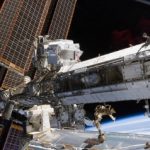
AMS-02 ‣
The Alpha Magnetic Spectrometer (AMS) is a particle detector operating as an International Space Station external module

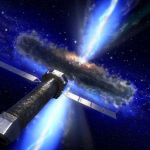
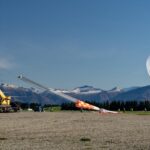
EUSO-SPB2 ‣
EUSO-SPB2 è un esperimento condotto su pallone stratosferico per la misura di neutrini e raggi cosmici di altissime energie dallo spazio
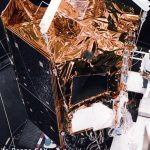
BEPPOSAX ‣
An Italian satellite, pioneer in the study of X sources
‣ Latest News
THURSDAY 16 JULY 2026
THURSDAY 21 MAY 2026
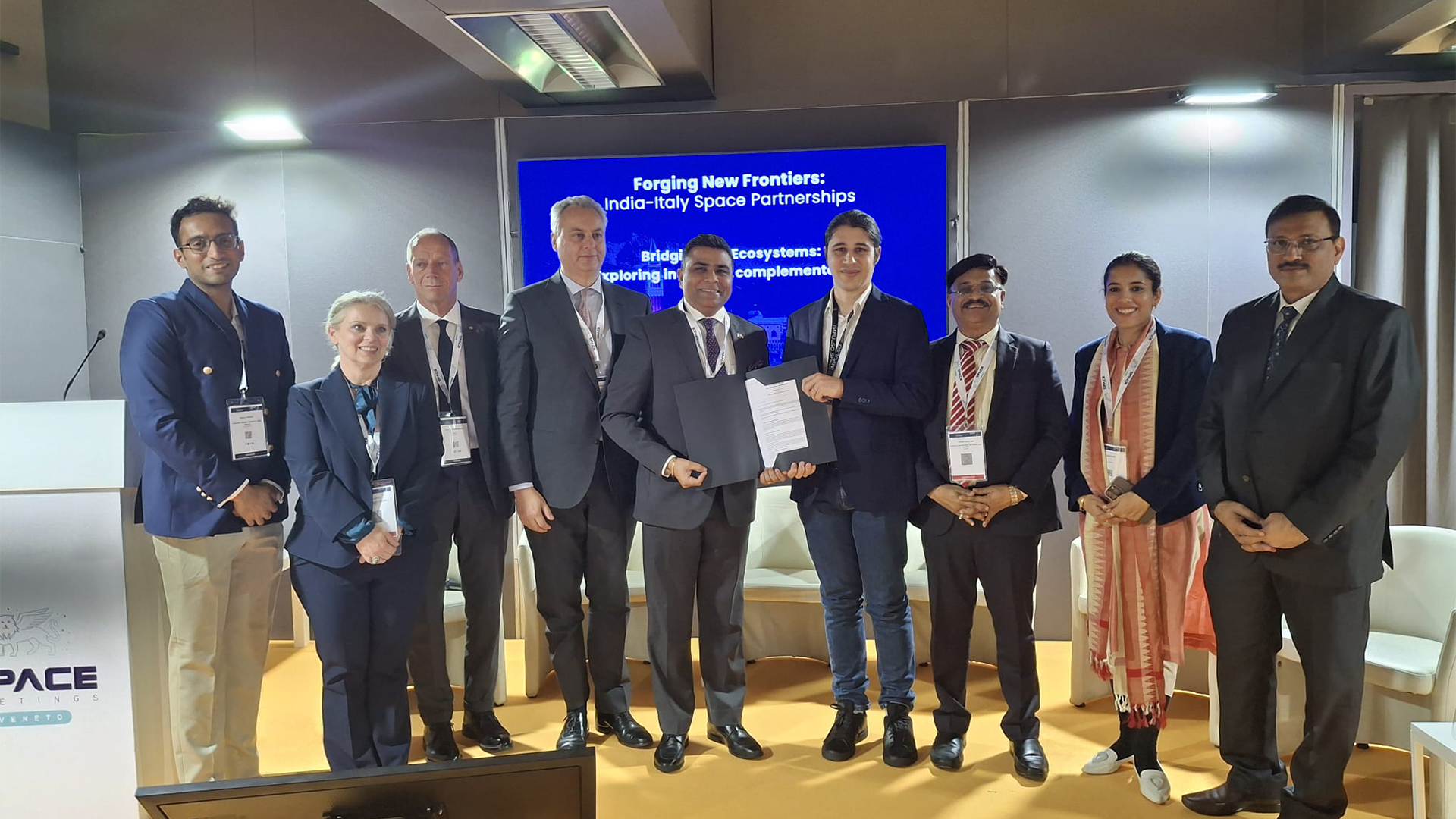
Promotion and dialogue activities in the space sector fall within the scope of the Italy-India Joint Strategic Action Plan 2025-2029 MORE...
TUESDAY 19 MAY 2026

Martin C. Weisskopf, born in Omaha, Nebraska in 1942 died on Saturday May 2, 2026, in Huntsville, Alabama. MORE...
FRIDAY 08 MAY 2026
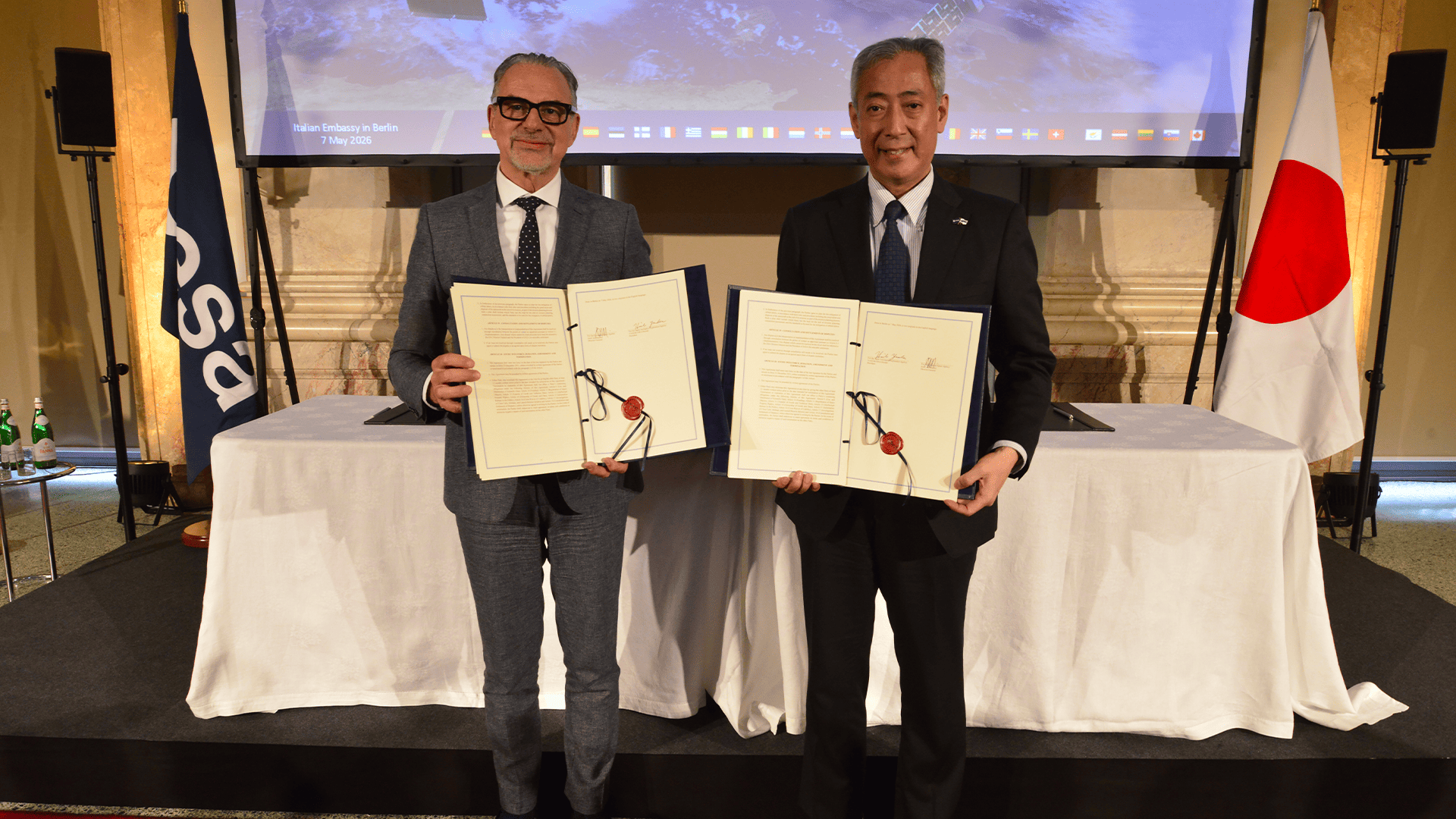
The cooperation agreement signed today at the Italian Embassy in Berlin for the mission with significant Italian participation MORE...