The study of the primordial Universe and gravitation laws

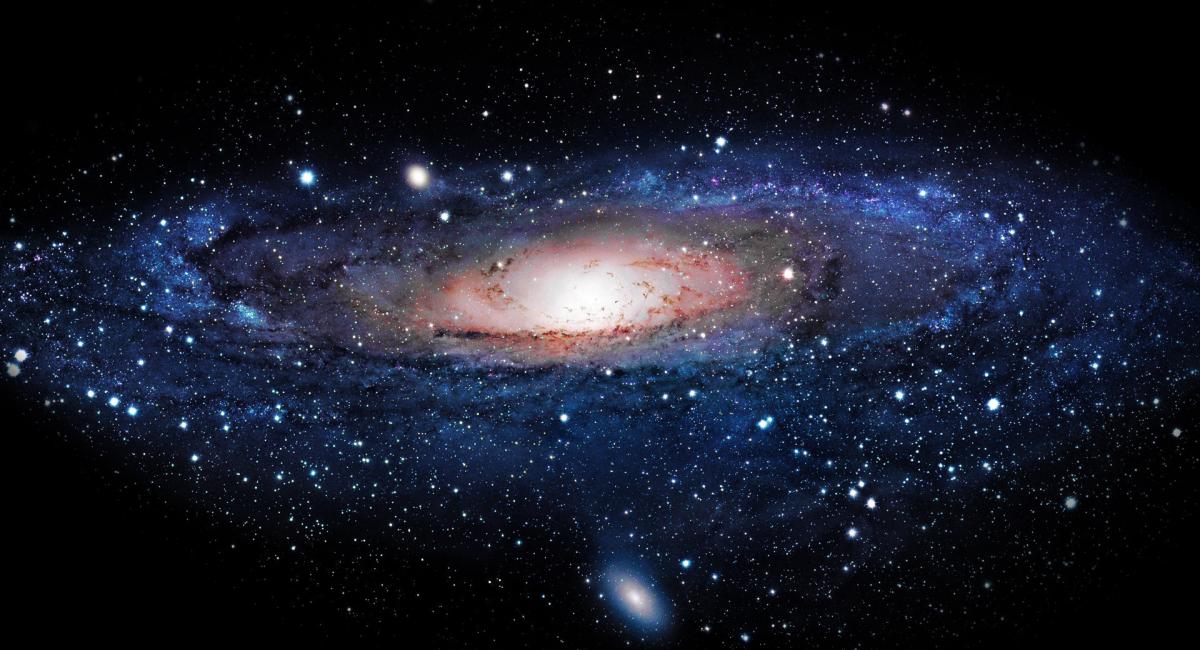
The arrival of the space era led to an impressive development of knowledge in the industry of cosmology, i.e. the study of the origin (and the destiny) of the Universe and the formation of the first structures. Born and developed in the optical band, including the use of the Hubble Space Telescope, this industry evolved towards the study of diffuse background radiation, in the microwave band, and large-scale structures evolving on cosmological times, for which observation is key in the infrared and millimetre ranges. Therefore, the observation of space has become critical to the development of knowledge in this industry. Thanks to space missions, the knowledge acquired in the last few years had a strong impact not only within the scientific community, but also on the public opinion, since they entail answers to the key questions on the origin and the end of the Universe.
‣ All the missions

EUCLID

EUCLID ‣

Euclid was the second Medium-class (M2) mission of the ESA Scientific Programme and aims at improving the knowledge on dark matter and dark energy

Gaia

Gaia ‣

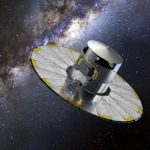
Gaia is a mission of the ESA scientific programme, aimed at obtaining a three-dimensional map of our galaxy by showing its composition, formation and evolution


LISA

LISA ‣

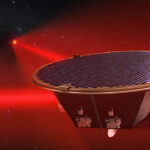
LISA (Laser Interferometer Space Antenna) is the ESA’s future mission aimed at detecting gravitational waves from space, which involves manufacturing, launching and operating a constellation of three satellites which are millions of kilometers away from each other

LISA PATHFINDER

LISA PATHFINDER ‣

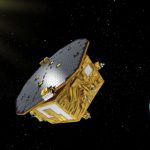
The LISA Pathfinder space mission is the technological forerunner of the gravitational waves space observatory planned by the ESA as the third large-scale mission of its Cosmic Vision scientific programme

PAMELA

PAMELA ‣

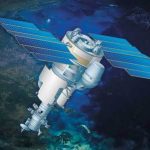
The PAMELA space mission is part of the RIM (Russian-Italian-Missions) programme and is an advanced observatory to study cosmic rays

HERSCHEL

HERSCHEL ‣

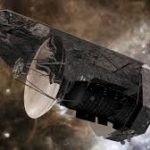
Herschel is an ESA 3.5 diameter telescope, operating in the far infrared and submillimetre range

PLANCK

PLANCK ‣

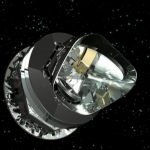
The Planck mission is the third Medium-Sized Mission (M3) of the ESA Horizon 2000 programme and aims at studying the cosmic microwave background

‣ Latest News

TUESDAY 28 APRIL 2026

Centro Nazionale Competenze GNSS – Successfully concluded the second edition of the School on GNSS Technologies ‣

The second edition of the course, promoted by ASI and held at its Centre within Telespazio, concludes with strong international participation MORE...

MONDAY 30 MARCH 2026

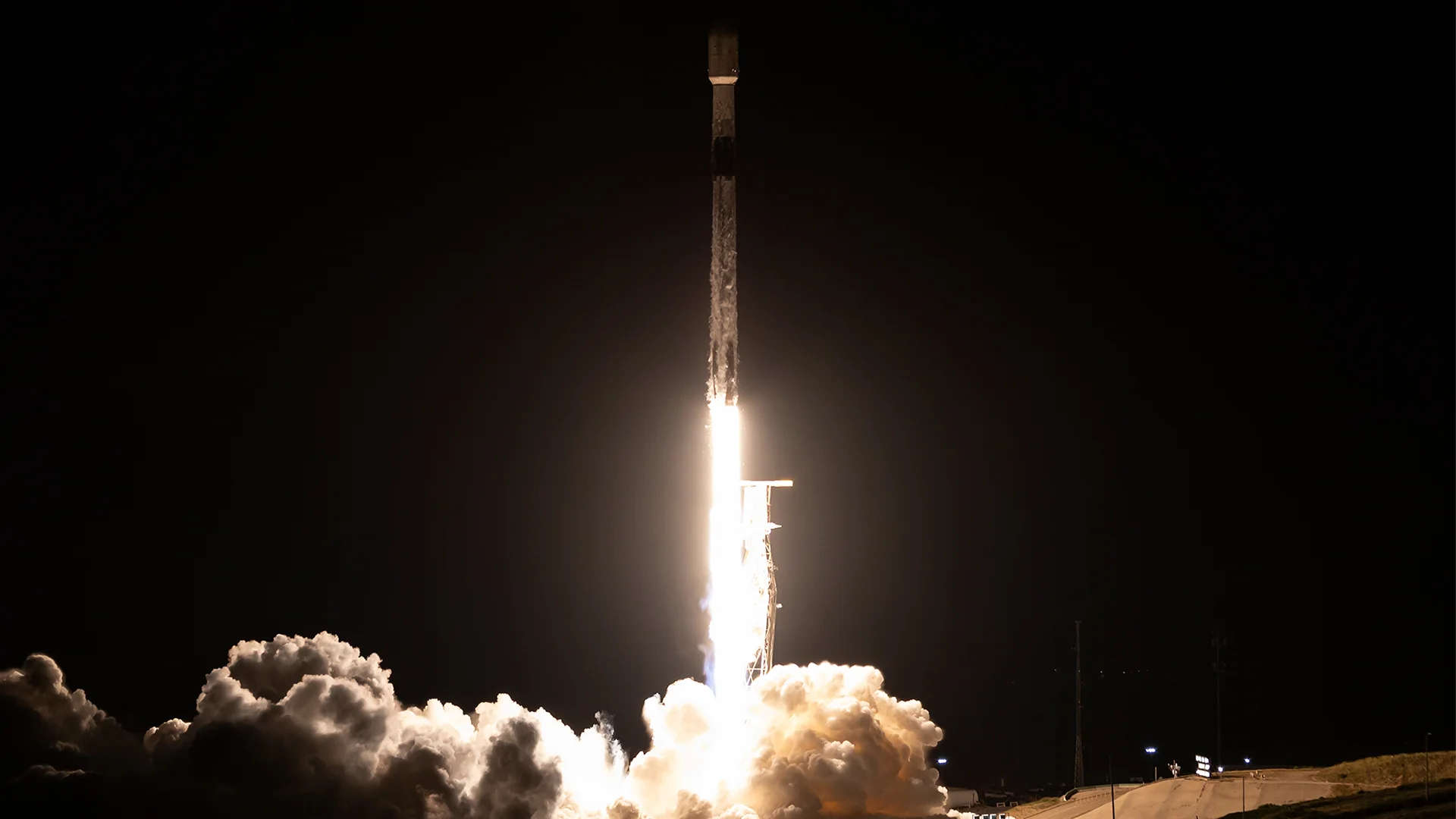
IRIDE continues its development: eight more Eaglet II satellites in orbit ‣

European Space Agency (ESA), Italian Space Agency (ASI) and OHB Italia: The programme of the Italian Government marks another success  MORE...

THURSDAY 22 JANUARY 2026

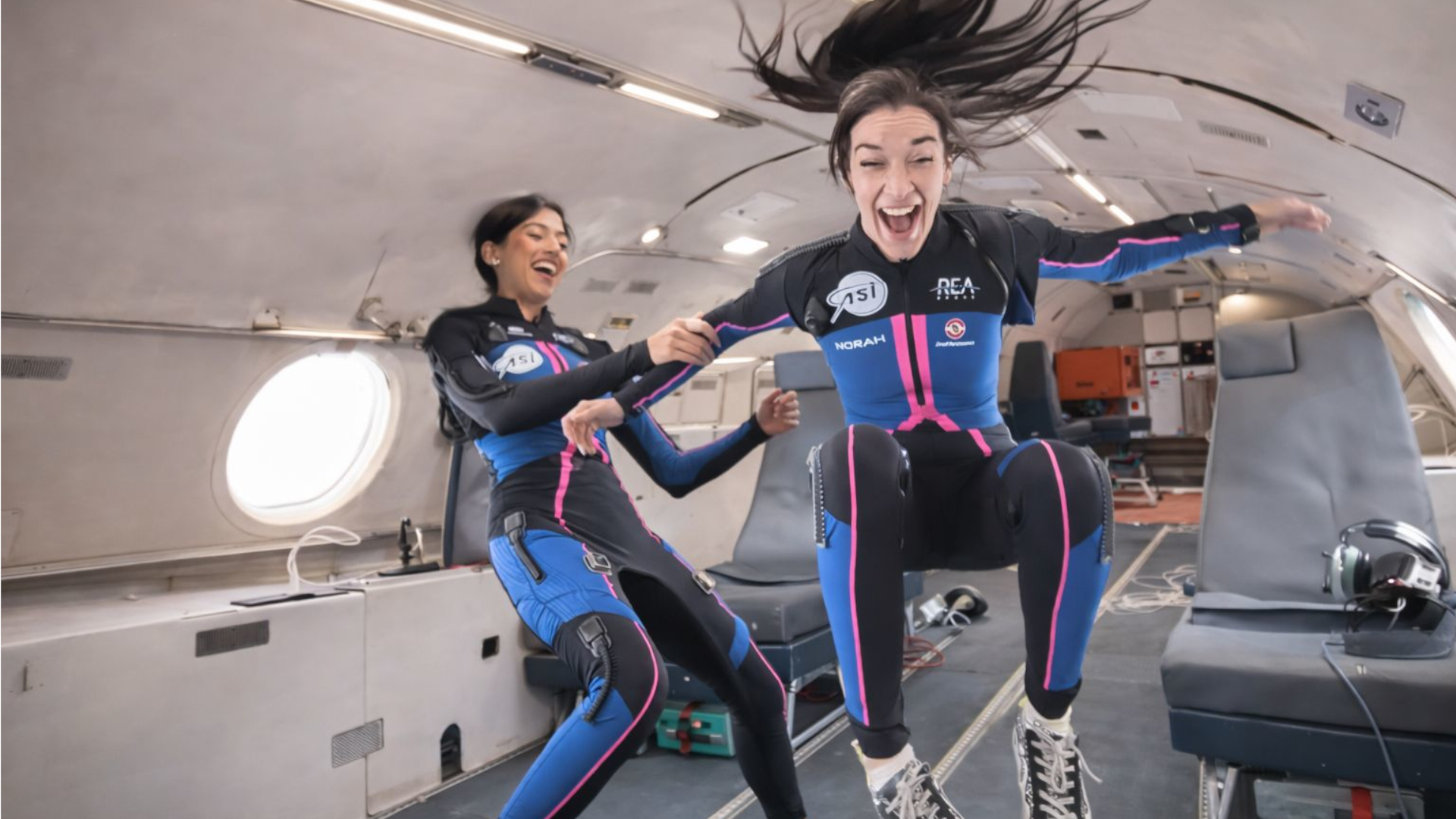
First parabolic flight testing for the next smart biosuit for astronauts EMSi_MK.02 ‣

Le prove della tuta durante il volo parabolico

The EMSi-MK.02 wearable device will act as a countermeasure to the negative effects of microgravity on the astronaut’s Musculo-skeletal system MORE...

MONDAY 19 JANUARY 2026

FIRST LOOK AT EARTH FROM THE COSMO-SKYMED FM3 SATELLITE ‣

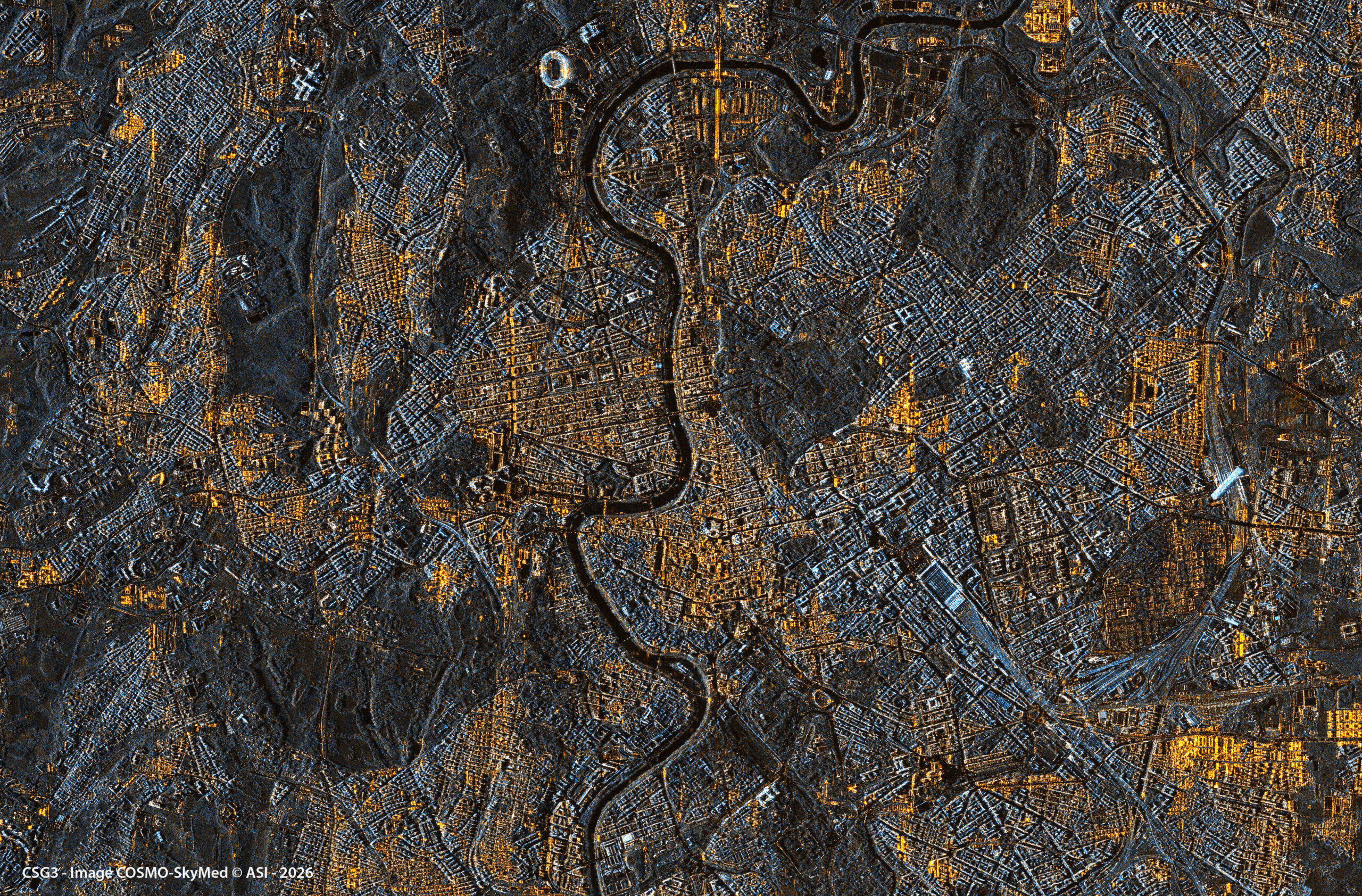
Roma - La città eterna vista dal nuovo satellite COSMO-SkyMed di seconda generazione. Nell’immagine si individuano immediatamente la basilica di San Pietro, il Colosseo, le Stazioni di Termini e Tiburtina, Villa Borghese e Villa Ada e lo Stadio Olimpico

Just days after launch, the first images are received from the third satellite of the second generation of the Earth Observation programme promoted by the Italian Space Agency and the Ministry of Defence, involving national industry with Leonardo, Thales Alenia Space, Telespazio and e-GEO MORE...

FRIDAY 28 NOVEMBER 2025

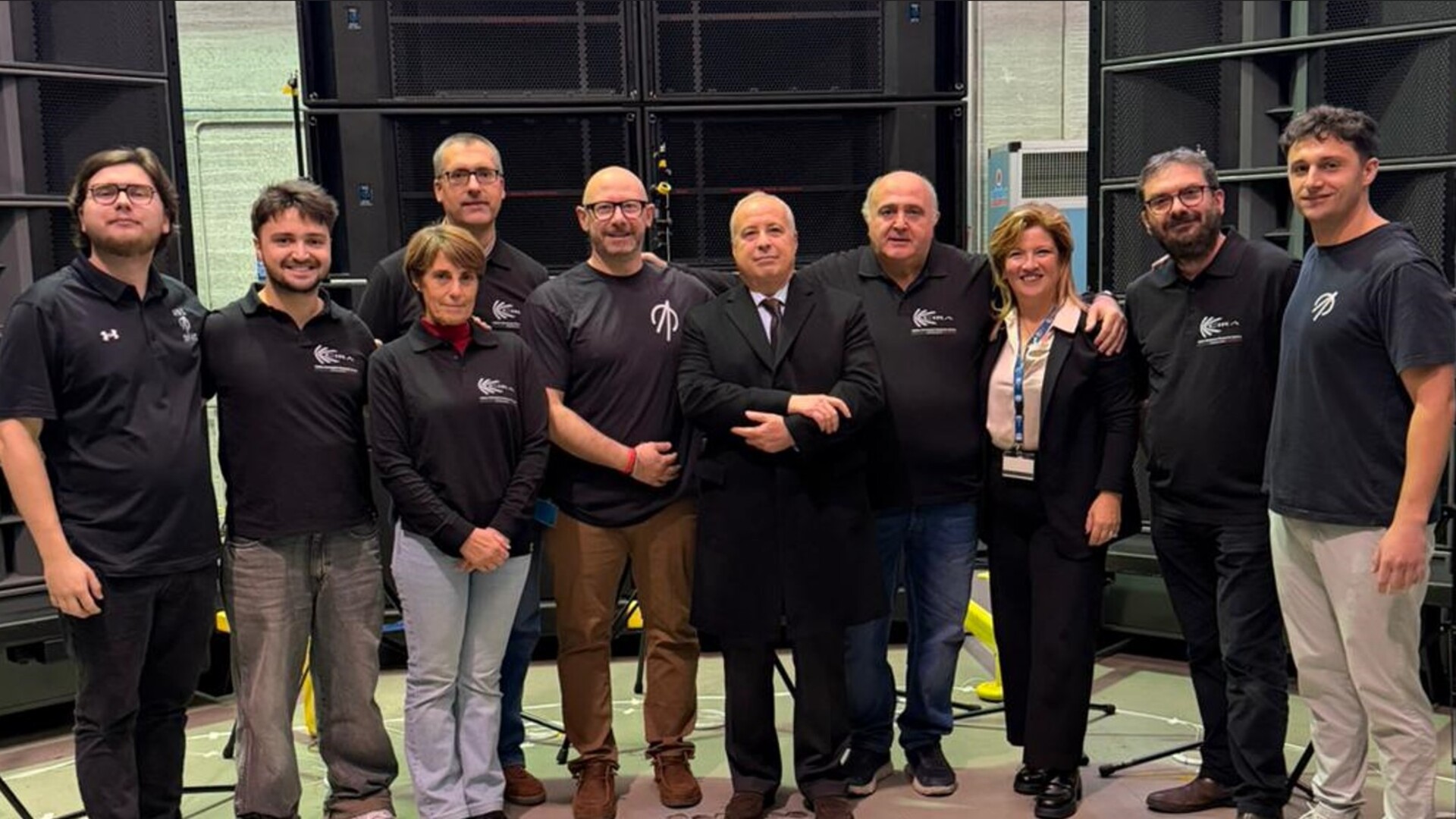
CIRA’s DFAN System Becomes Fully Operational ‣

Developed through the funding of Italian Space Agency within the PNRR Space Factory 4.0 MORE...