



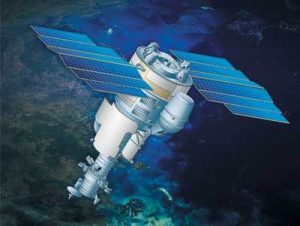
The PAMELA instrument was installed aboard the TsSKB-Progress (Russia) RESURS DK1 satellite and, on June 15th, 2006, was placed into orbit at an altitude ranging from 350 to 600 kms, through a Soyuz-class launcher.

PAMELA’s instrumental apparatus consists of a permanent magnet, a tracking system made up of 6 silicon microstrip layers, a trigger and time-of-flight measurement system made up of three double layers segmented by scintillation counters, an imaging calorimeter made up of 22 tungsten layers and 44 silicon layers, a scintillation counter system for anticoincidence, a neutron detector manufactured with 36 3HE detectors on two layers, a scintillation counter to trigger high-energy particles.

The main scientific goal of the PAMELA mission was searching for evidence of exotic matter, that is non baryonic matter which is not included in the Standard Model of elementary particles physics, and antinuclei.

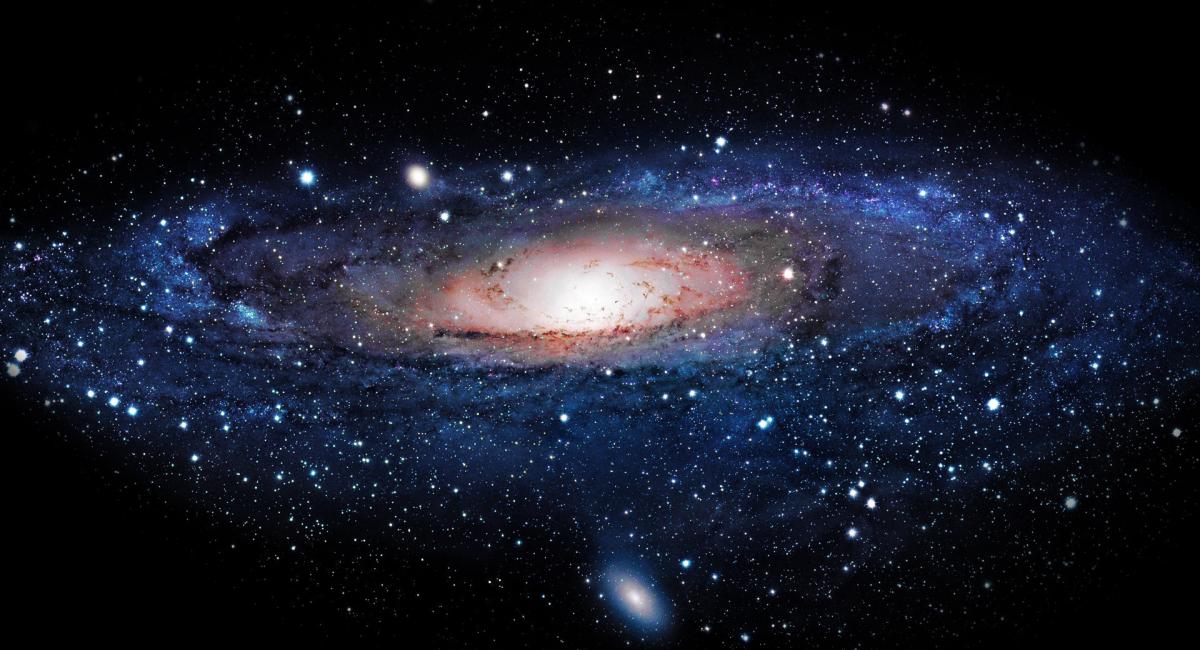
Other important scientific goals were studying the dependence from energy of the half-life of cosmic rays in our galaxy and the transportation and secondary production models of cosmic radiation in the Milky Way and monitoring long-term solar activity.

After providing the PAMELA instrument to be installed on the satellite, Italy’s main contribution was data reception from the Resusr DK1 satellite, data analysis and communication and disclosure of the results.
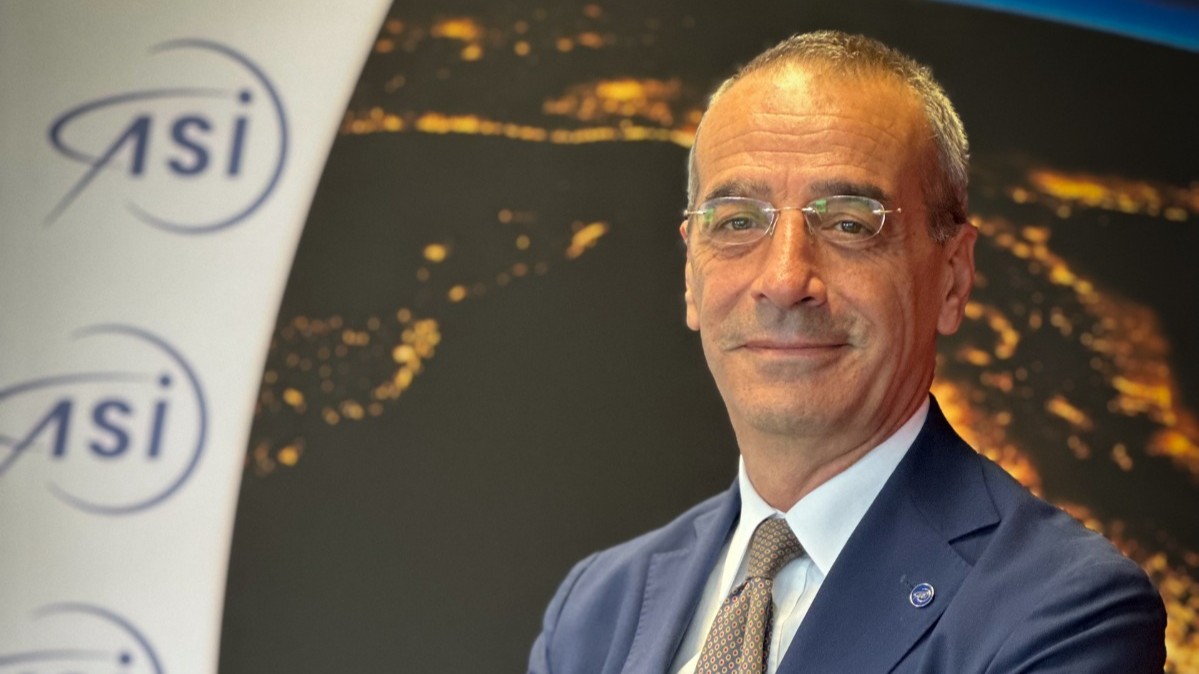
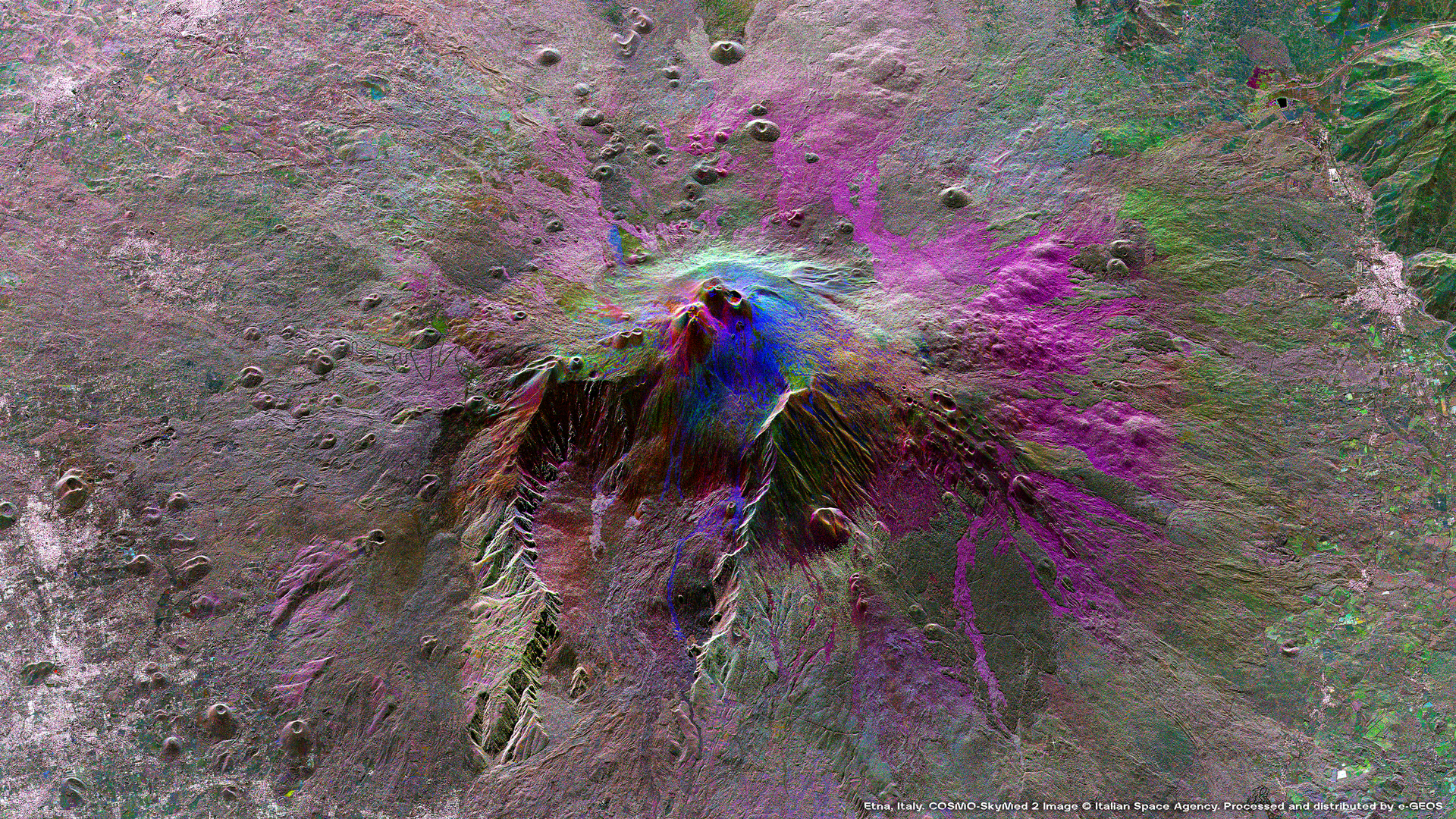
‣ Latest News

THURSDAY 22 JANUARY 2026

First parabolic flight testing for the next smart biosuit for astronauts EMSi_MK.02 ‣

The EMSi-MK.02 wearable device will act as a countermeasure to the negative effects of microgravity on the astronaut’s Musculo-skeletal system MORE...

MONDAY 19 JANUARY 2026

FIRST LOOK AT EARTH FROM THE COSMO-SKYMED FM3 SATELLITE ‣

Just days after launch, the first images are received from the third satellite of the second generation of the Earth Observation programme promoted by the Italian Space Agency and the Ministry of Defence, involving national industry with Leonardo, Thales Alenia Space, Telespazio and e-GEO MORE...

FRIDAY 28 NOVEMBER 2025

CIRA’s DFAN System Becomes Fully Operational ‣

Developed through the funding of Italian Space Agency within the PNRR Space Factory 4.0 MORE...

FRIDAY 28 NOVEMBER 2025

e-GEOS and Italian Space Agency welcome Japanese Ambassador Suzuki Satoshi to the Matera Space Centre ‣

Lorenzo Chessa, Direttore Sicurezza, Sistemi Informatici e Digitalizzazione, Antonio Nicoletti, Sindaco di Matera, Milena Lerario Ceo e-geos, Cristina Favilli, Prefetto di Matera e Michele Busciolano, Regione Basilicata

The delegation visited the e-GEOS Space Centre and the Italian Space Agency's “Giuseppe Colombo” Space Geodesy Centre MORE...

WEDNESDAY 26 NOVEMBER 2025

Manila, 7th International Space Forum at Ministerial level – The Southeast Asia Chapter ‣

Fostering Regional Synergy in Space for Shared Challenges and Sustainable Development MORE...