






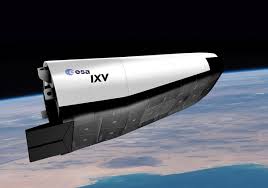
IXV (Intermediate eXperimental Vehicle) is an experimental space vehicle, whose mission consists of assessing the ability to carry out a controlled atmospheric re-entry from a low terrestrial orbit.
The vehicle has an unconventional conic shape, “lifting-body” type, and is characterized by high aerodynamics and maneuverability. It’s 5-meter long, 1.5-meter high, 2.2-meter large and weighs about 2 tons. It is equipped with a high-performance guidance, navigation and control system, which uses automatically-controlled mobile aerodynamic surfaces and is equipped with a ceramic thermal shield that shields the lower part and front “nose” of the vehicle from the high temperatures that develop while the vehicle crosses the terrestrial atmosphere.
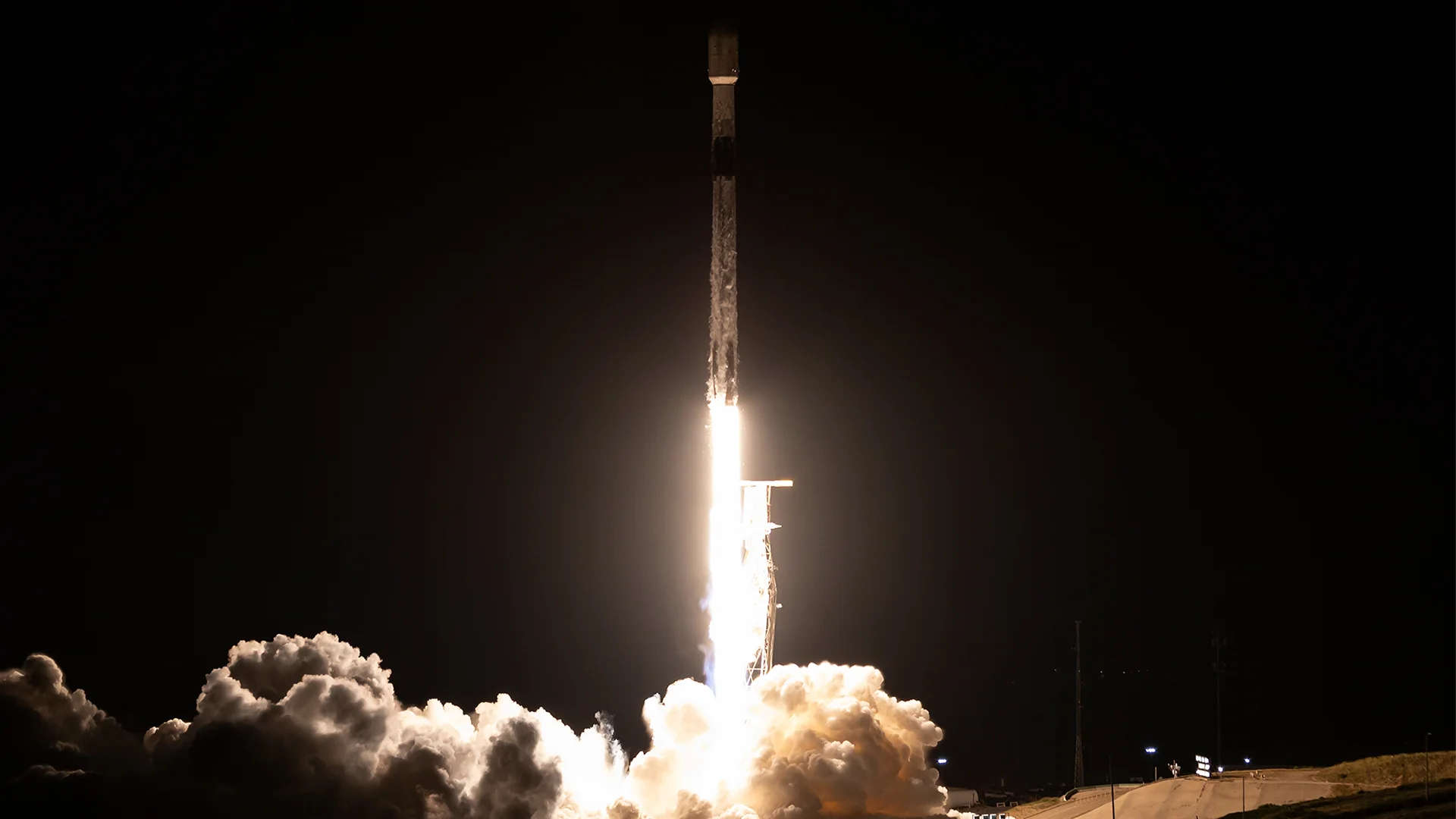
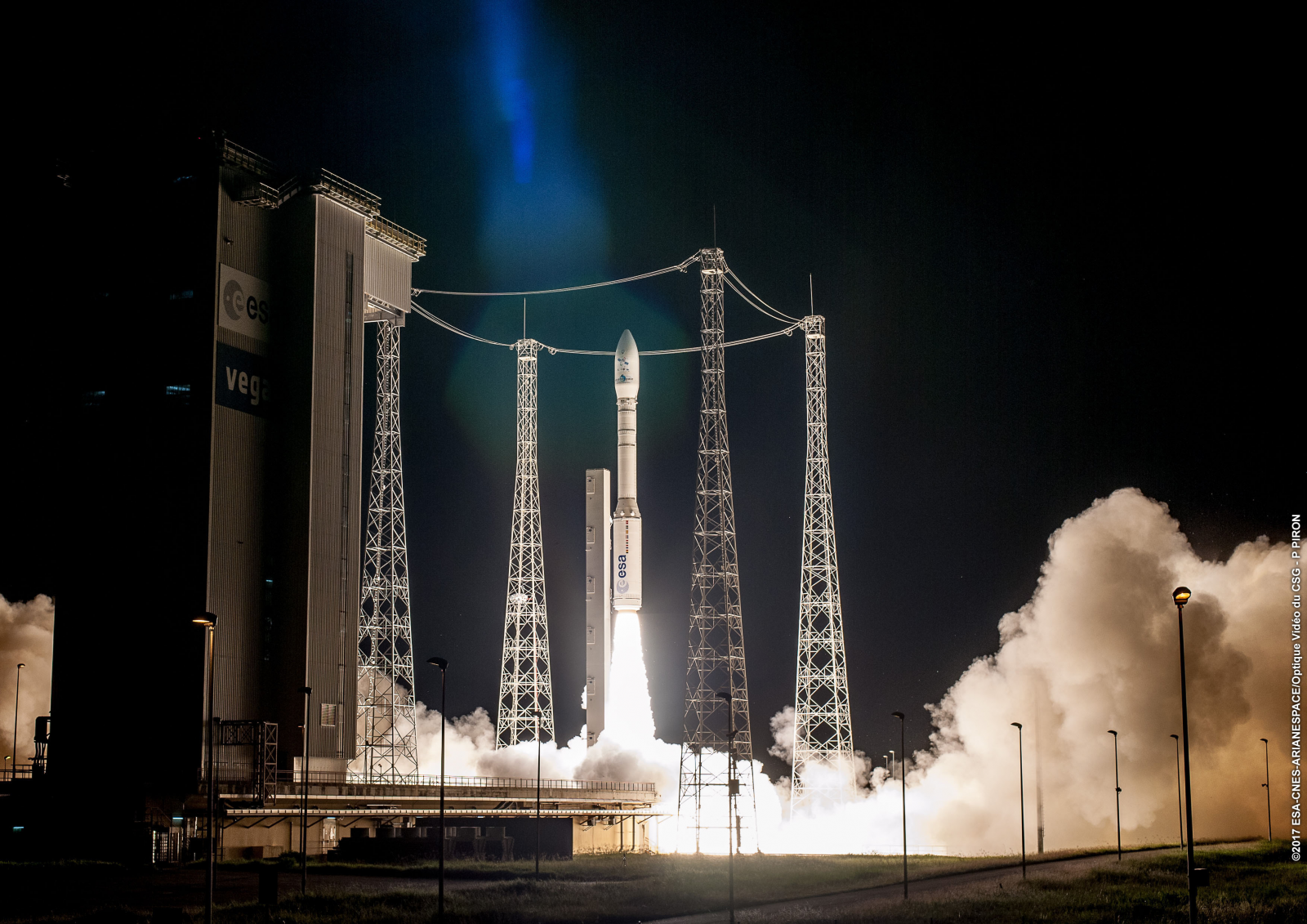
IXV’s mission started with the on-board launch of the European Vega vector on February 11th, 2015, from the spaceport of Kourou, French Guyana. The vector crossed its upward equatorial trajectory and, at an altitude of 320 km, inserted the vehicle on its suborbital trajectory. Immediately afterwards, IXV went up to 413 km, and then started to descend to Earth, reaching a maximum speed of 7.5 km per second when entering the atmosphere.
In the meanwhile, the signal was gradually captured by the ground-based stations of Librevile and Malindi. After an about 20-minute blackout, the rescue ship received the signal from IXV. The module progressively increased its speed, until it opened – in succession – its 4 parachutes from an altitude of 30 km. Lastly, the vehicle carried out nominally a “splash down” in the Pacific Ocean – keeping afloat thanks to four floats – at about 4600 km off the shores of Colombia, slightly above the equator. Subsequently, Ixv was secured by an especially equipped rescue ship.
The data collected by IXV will be essential to develop and manufacture the future re-entry systems, designed to carry out different space activities such as the recovery of debris and the transportation of supplies and astronauts on the International Space Station.
The Cira, Italian Aerospace Research Centre, contributed to the launch of IXV by playing a role of responsibility in several critical activities such as design, development, test and integration. Furthermore, the Cira’s team coordinated the aerodynamics, aerothermodynamics and in-flight experimentation activities, by providing technical assistance to the Esa.
Based on the technologies experimented with IXV, the ESA is developing the Space Rider automated mini-shuttle.